

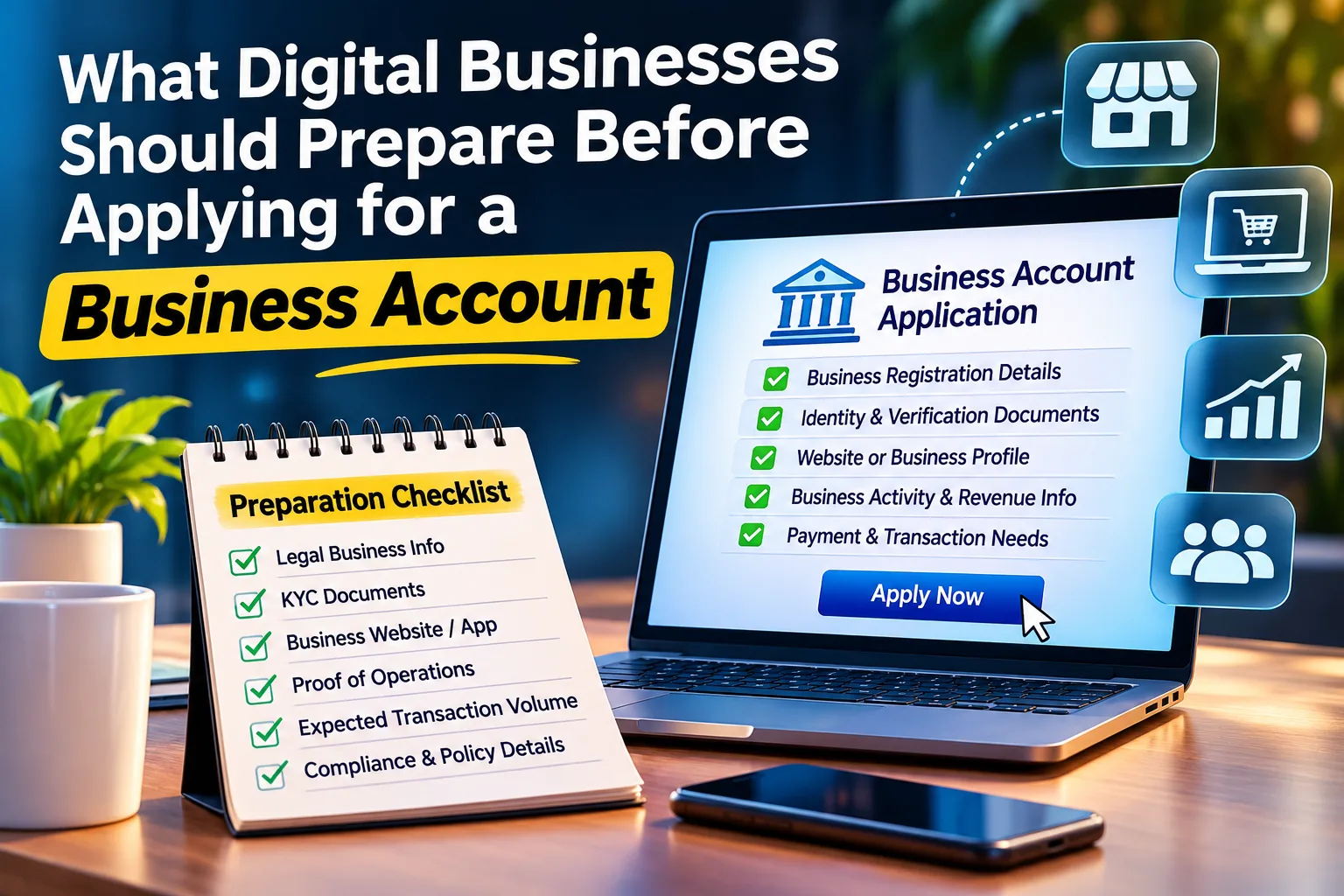
Preparation is most useful when it starts with ordinary business operations. Describe what the company sells, who pays for it and what happens after a payment arrives. Keep the explanation specific enough that someone outside the business can follow it without a product demonstration.
What does the company actually do?
Begin with the service or product that generates revenue. Explain whether the company sells subscriptions, delivers projects, receives commissions or supplies another business. If several revenue streams exist, separate them. A general description such as “technology services” may leave important questions unanswered.
Identify the legal entity behind each activity. The company named on an invoice should have an understandable relationship to the company receiving the money. Where a group uses different entities for sales, development or administration, explain the arrangement and the supporting agreements.
Keep future plans distinct from current operations. An application can include proposed activities without presenting them as established trading. Clear labels help a provider distinguish existing customers and contracts from forecasts or products that have not yet launched.
Can the business explain its payment flows?
Draw the route from the customer to the receiving account and onwards to the relevant expenses. Include any payment processor or collection partner. Identify which party contracts with the customer and why each transfer occurs. The diagram should match the description in the application.
Be clear about whether the money belongs to the company or another party. A business collecting its own sales revenue should describe that activity accurately. An arrangement involving funds held or moved for customers can raise different questions and needs specific advice on the applicable requirements.
Include the countries and currencies that matter to the operation. Avoid listing every market the company might eventually enter. Explain the expected pattern using the business’s actual plan and update it when that plan changes.
Which records should be ready?
A practical application file brings together company details, ownership information and evidence of the commercial activity. The exact documents a provider requests will vary, so treat this as preparation rather than a universal list of mandatory requirements.
- Current company and contact information.
- A clear ownership and control chart.
- A concise explanation of products and customers.
- Relevant contracts, invoices or other trading evidence.
- A payment-flow diagram and working forecast.
- An explanation of the intended account use.
Check the documents against one another. If the website describes one service while the application describes another, resolve the difference. If an ownership change is underway, explain the current position and the expected change rather than allowing contradictory records to circulate.
How should account features be compared?
Start with the functions the company needs to operate. These may include receiving customer payments, paying overseas suppliers, managing currencies and controlling staff access. Rank the essential functions before comparing charges or extra features.
Review the provider’s terms and restrictions for the proposed activity. A business account is not automatically suitable for every payment flow. Ask for clarification where the product description does not answer an important operational question.
Consider how the account connects to the company’s records. The team should be able to identify a receipt, match it to an invoice and explain deductions or currency conversion. A convenient interface is useful, but it should support a process that the finance team can reconcile.
Who answers follow-up questions?
Choose a person to coordinate the application. They should know where supporting information is kept and who can confirm financial, ownership and operational details. Keep a record of questions and responses so later answers do not contradict earlier submissions.
Answer the question asked and provide the relevant evidence. If an assumption in the original application changes, explain the change. Adding unrelated documents can make the file harder to review without improving the answer.
What should be checked before using the account?
Once an account is available, confirm that payment instructions, access permissions and internal approval arrangements are correct. Check how the first transactions will be recorded and who will monitor rejected or delayed payments. Keep business records accessible to the people responsible for resolving problems.
Review the arrangement as the company grows. New services, customers or markets may change the questions that need to be addressed. Keeping the operating explanation current is a useful habit even when no new account application is planned.
How VMGlobals can help
VMGlobals’ payment strategy and banking-access service helps international businesses examine their payment arrangements and prepare for provider discussions. Account availability depends on the provider’s assessment; a clear application supports that discussion without guaranteeing an outcome.